Tracing Loyalty Tier Mechanics and Their Role in Player Retention Within Switzerland's Licensed Mobile Casino Platforms
Rafael Neumann · Nov 5, 2026
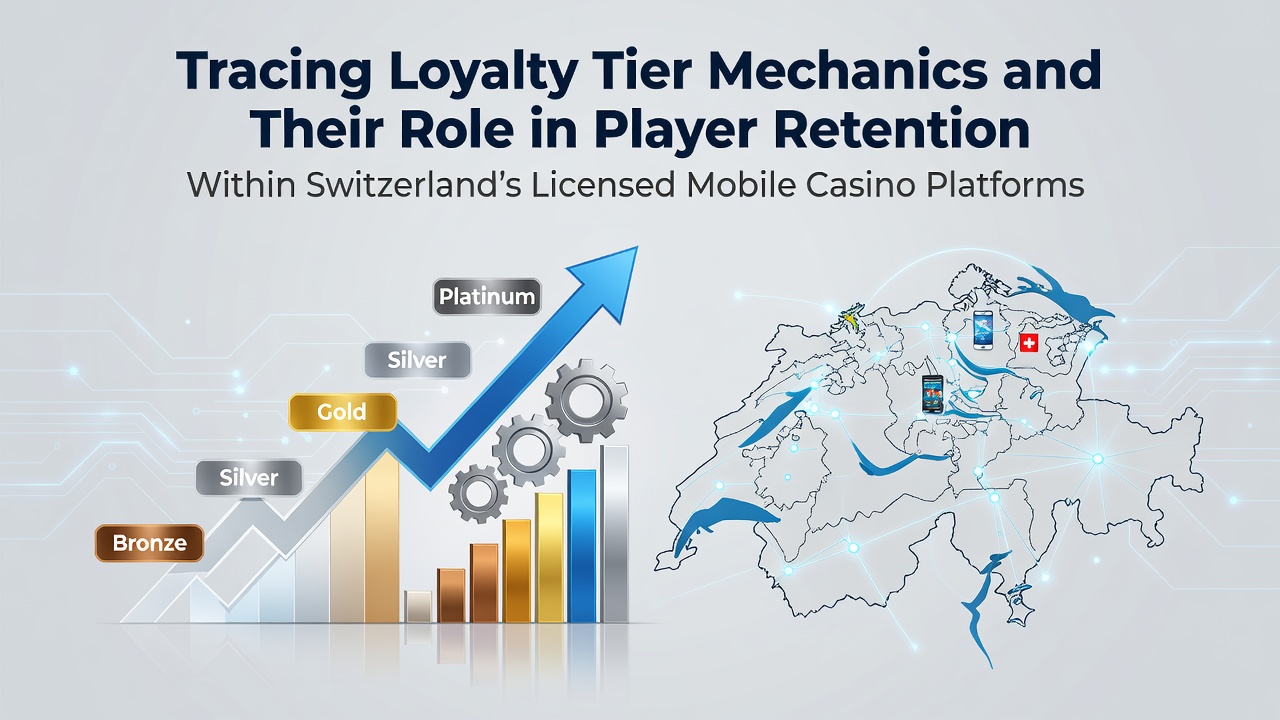
Tracing Loyalty Tier Mechanics and Their Role in Player Retention Within Switzerland's Licensed Mobile Casino Platforms
Switzerland's licensed mobile casino platforms rely on structured loyalty tier systems to organize player engagement and maintain activity levels across regulated environments. These programs assign players to progressive levels such as entry, intermediate, and premium tiers based on accumulated points from wagers placed on slot titles, table games, and live dealer options. Data from Swiss operators indicates that tier advancement correlates with measurable increases in session frequency and deposit patterns throughout 2025 and into late 2026.
Mechanics of Tier Progression on Licensed Platforms
Operators calculate points through standardized formulas tied directly to real-money play, where each Swiss franc wagered typically converts to a fixed number of loyalty units. Players move upward when thresholds are met, and systems automatically adjust benefits without manual intervention. Higher tiers grant scaled rewards including elevated cashback rates, exclusive tournament access, and faster withdrawal processing times, while entry-level participants receive baseline perks that encourage initial commitment.
November 2026 brought minor adjustments to the Federal Act on Gambling that clarified how loyalty mechanics must align with responsible gaming limits, requiring platforms to display tier requirements transparently in mobile interfaces. Licensed providers responded by integrating real-time progress trackers that show remaining points needed for the next level, a feature now standard across major Swiss applications.
Retention Patterns Linked to Tier Benefits
Retention metrics tracked by Swiss platforms reveal that players who reach intermediate tiers demonstrate longer account lifespans compared with those who remain at entry levels. Points systems create ongoing targets that align with natural play cycles, prompting users to return before expiration windows close on accumulated balances. Research conducted through academic partnerships with Swiss institutions shows correlation coefficients between tier status and monthly active days that exceed those observed in non-tiered reward models.
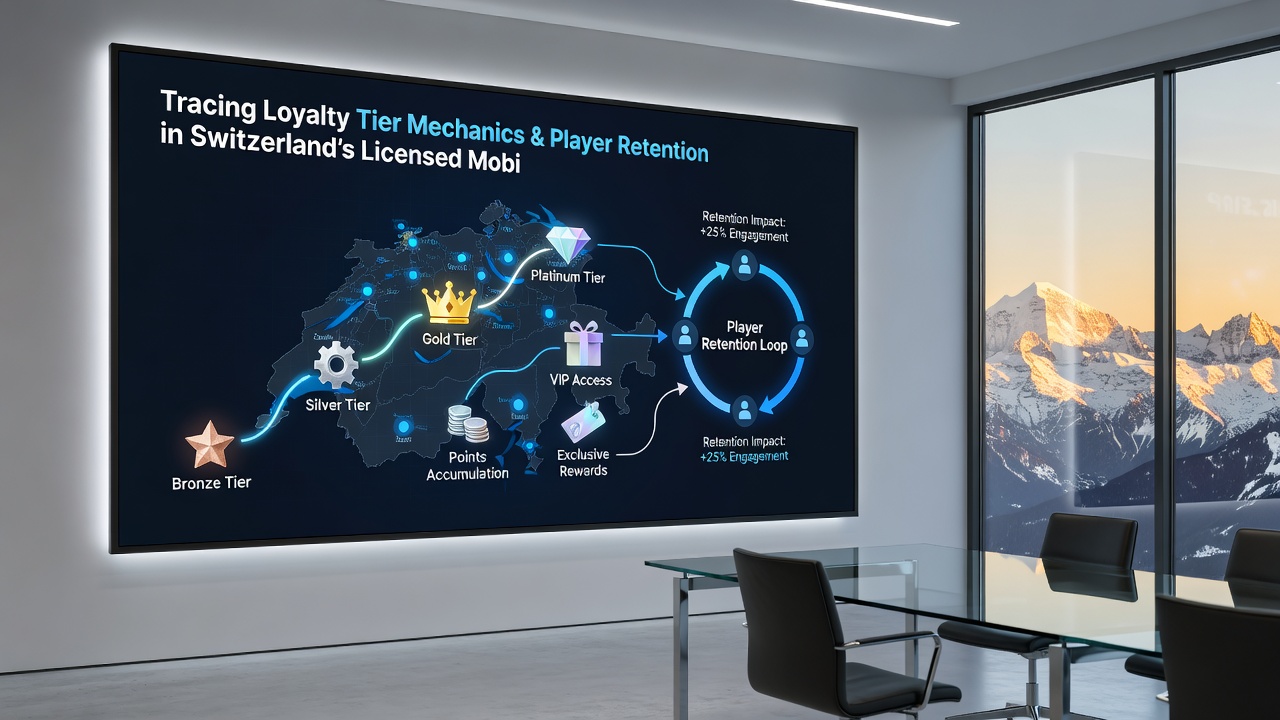
Case examples from multiple operators illustrate the pattern: one platform reported a 23 percent rise in repeat deposits among users who advanced two tiers within a six-month window. Another documented reduced churn rates after introducing tier-exclusive live casino tables that became accessible only after consistent play thresholds were crossed. These outcomes emerge because the mechanics tie immediate rewards to sustained behavior rather than one-time actions.
Regulatory Framework and Compliance Elements
Switzerland's licensing body enforces rules that separate loyalty structures from promotional bonuses, ensuring tier rewards cannot bypass deposit or wagering restrictions outlined in the national framework. Platforms must log all point allocations and redemptions for audit purposes, creating transparent records that authorities review periodically. This separation maintains compliance while still allowing operators to design tier ladders that reward volume without violating player protection measures.
European-wide studies on digital gambling, including reports from the European Gaming and Betting Association, note similar tier retention effects in regulated markets, although Swiss implementations remain distinct due to stricter licensing criteria. Observers note that these differences produce retention data sets that differ from those collected in less restrictive jurisdictions.
Integration with Mobile-Specific Features
Mobile platforms leverage push notifications and in-app progress bars to highlight upcoming tier milestones, a tactic that keeps the system visible during daily device usage. Push messages alert users when they approach a new level or when limited-time tier multipliers activate, both of which increase session initiation rates according to operator analytics. Integration with Swiss payment rails further streamlines reward delivery, allowing cashback from higher tiers to appear as instant balance additions without additional verification steps.
Additional academic work from institutions tracking European gambling trends indicates that mobile users respond more strongly to visible tier ladders than desktop users, a finding that Swiss operators have incorporated into their app designs since the expansion of mobile licensing in 2019. The combination of immediate feedback and long-term progression targets creates dual retention drivers that function across different player segments.
Conclusion
Loyalty tier mechanics in Switzerland's licensed mobile casino sector operate through point accumulation, automated advancement, and tier-specific benefits that together shape retention outcomes. Regulatory updates effective into November 2026 reinforced transparency requirements without altering core progression structures. Available figures and operator reports consistently link higher tier status with extended player activity, demonstrating the functional role these systems play within the controlled Swiss market.